
Smooth Order Flow through Production, a Task for an Interim Manager

Our next interim manager has taken on the position of process and project manager. This step is very important for our client, a multinational engineering company, as they face challenges related to smooth order flow through production and new requirements from demanding customers from Western Europe.

Our client is an engineering company that, after the war in Ukraine, decided to expand into Western markets, specifically Germany, Switzerland, and other countries. This expansion brought new opportunities, but also new challenges. Western customers have high demands for monitoring production quality and the current status of their orders. To meet these requirements and ensure maximum customer satisfaction, they decided to establish new procedures in production and project management of orders.
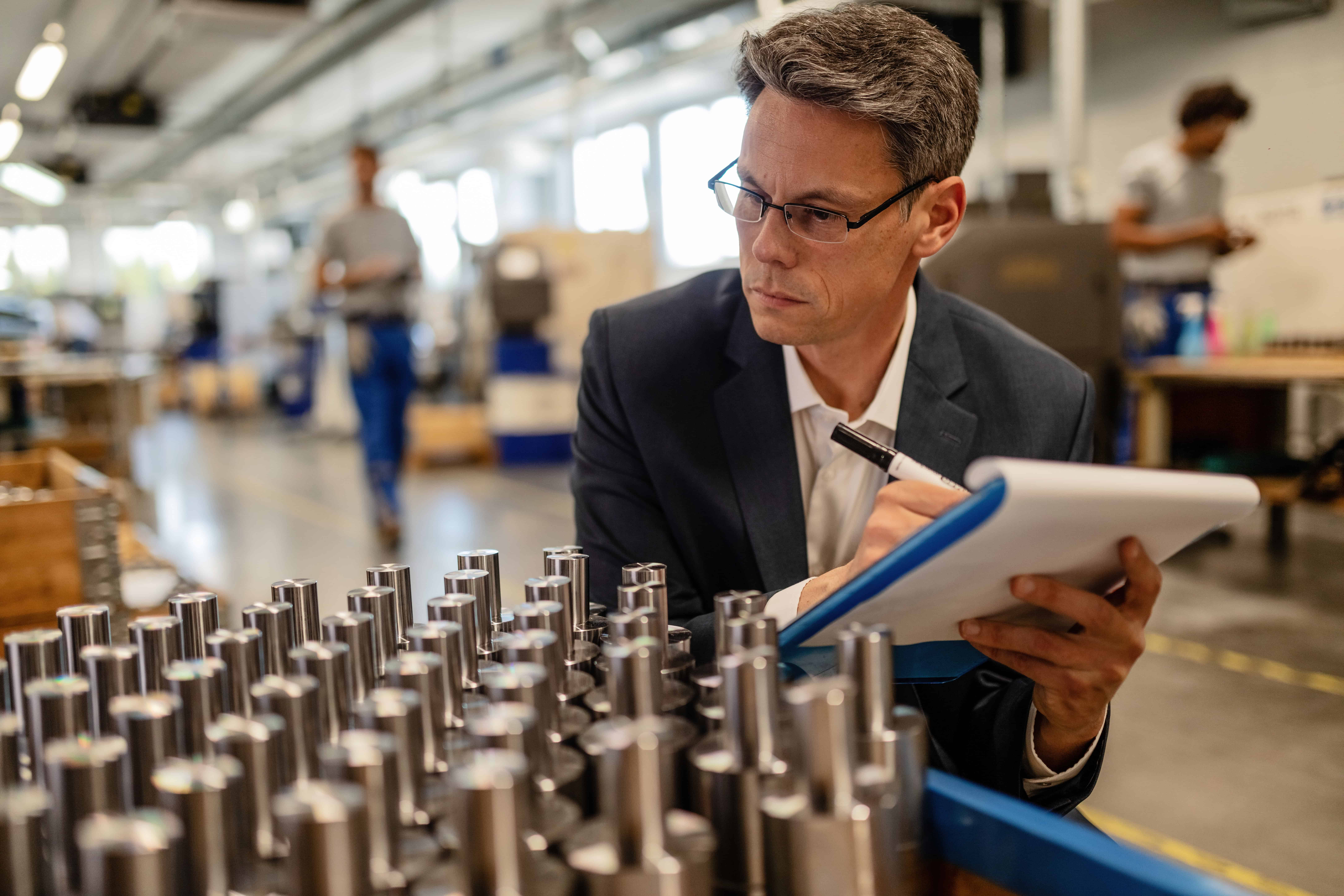
The interim manager who started today will play a key role in this process. His main task will be to implement efficient process and project management that will enable better coordination and monitoring of the production process. This will allow us to improve order visibility, reduce delays, and better communicate with customers regarding the current status of their orders.

The project is designed for six months to a year, and at its end there should be a completely new order management system. We believe that our interim will significantly help improve our client’s customer satisfaction.

Do you need help with your team? We are here for you. Whether it's short-term coverage or solving complex situations, Big Interim is your partner for interim management.

Successful projects

Over the past few weeks I've been watching a series of acquisitions in Czech business. Smaller, honestly built companies are merging with bigger players, founders stay on board as co-owners, and both sides talk about shared values and joint growth. On paper it looks like a textbook example of healthy consolidation, but post-acquisition integration is what decides whether the investment pays off. In practice, that's exactly the moment that decides whether an acquisition will be a case study of successful growth five years from now, or a quiet example of wasted potential.
Over the past several years I've seen one pattern in practice that keeps repeating more and more often: the owner of a company he built in the early nineties suddenly realizes he has no one to hand it to. This isn't an isolated individual story — it's a demographic wave that's only just starting to roll through the Czech economy, and so far almost no one is really talking about it. And the longer we stay quiet about it, the more it will eventually cost us.
Over the past few weeks I've been watching one pattern repeat itself in business. Traditional manufacturing companies that ran on the same model for decades are suddenly facing a sharp drop in demand, expensive inputs, and tougher competition. Some weather it thanks to quality, a strong brand, and loyal customers. Others end up in insolvency, or after a hundred years in business decide to close voluntarily. When I look at how this happens, I keep seeing the same mistake — help arrives too late.