
Saving automotive

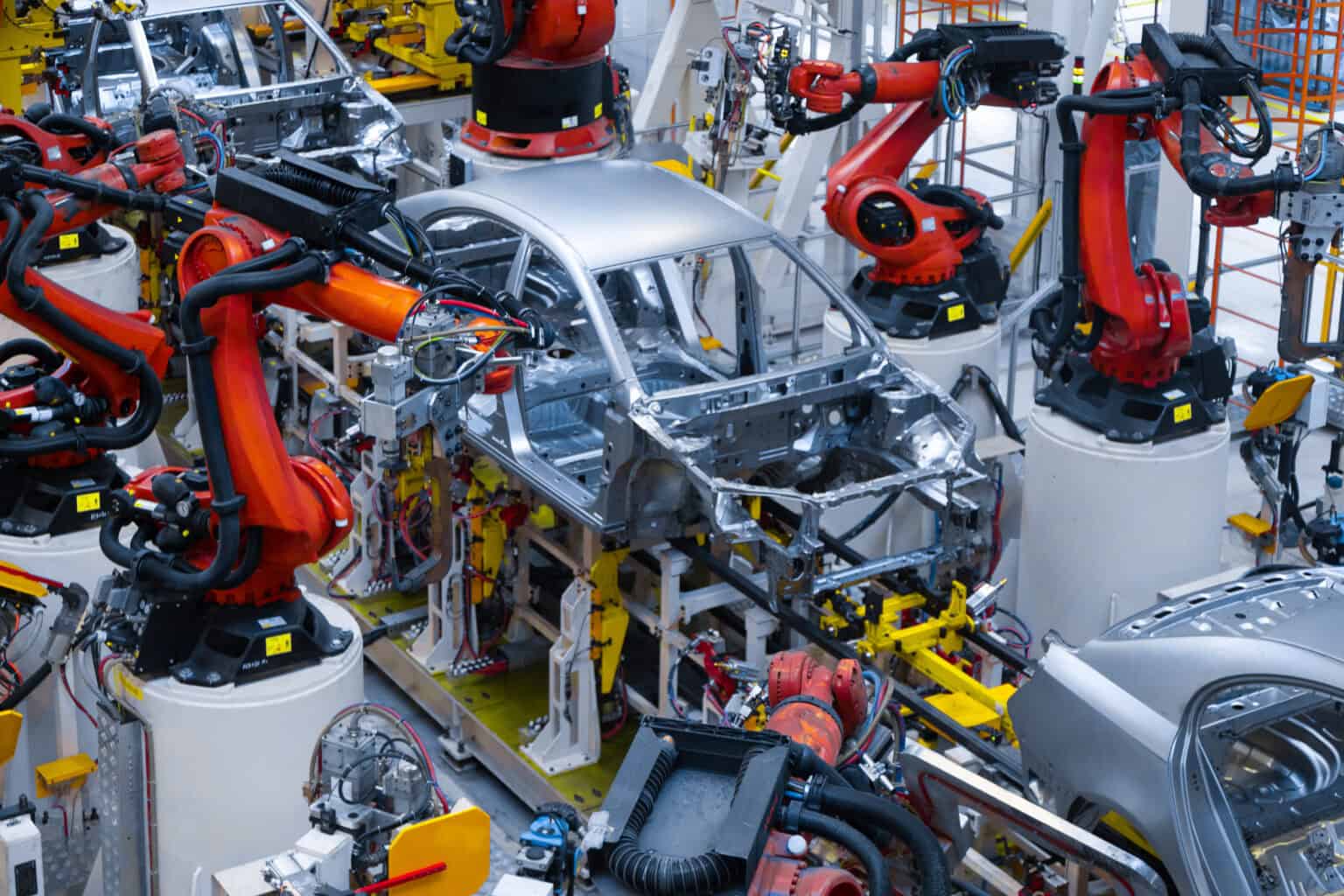
The automotive industry is undergoing its greatest transformation in decades. Many companies that have been accustomed to stable orders from major OEM customers for years are now facing a sharp decline in demand, uncertainty, and completely new market conditions. It has become clear that relying on “guaranteed” deliveries is not sustainable in the long term — and that without active sales, there is no future.

When sales are missing, the future is missing

Many manufacturing plants today lack their own proactive sales department. After decades of comfortable order flow, the basic elements are missing: sales strategy, the ability to seek new customers, work with data, or even prepare a professional company presentation.

And this is exactly where we step in.
automotive

Interim Commercial Director: The New Engine of Your Company

We bring experienced interim sales directors to companies who:

  • build a sales department from the ground up

  • conduct sales recruitment and build a team

  • prepare professional presentation materials

  • implement a CRM system for controlled opportunity management

  • conduct client portfolio analysis for the past 5 years

  • identify new opportunities outside traditional automotive segments

How long does it take?

We typically work on projects for 6 to 12 months. Results are visible after just six months — the first new orders arrive, the sales team begins to function, and management finally has a real overview of sales figures. After one year, the company often enters a growth trajectory.

Active sales is the key to survival

The crisis in automotive is not the end — it is a turning point. Those who can now change their sales logic will survive and grow. Those who wait for things to “return to normal” will only watch as their work, people, and purpose diminish.


Do you need help with your team? We are here for you. Whether it's short-term coverage or solving complex situations, Big Interim is your partner for interim management.

Successful projects

Over the past few weeks I've been watching a series of acquisitions in Czech business. Smaller, honestly built companies are merging with bigger players, founders stay on board as co-owners, and both sides talk about shared values and joint growth. On paper it looks like a textbook example of healthy consolidation, but post-acquisition integration is what decides whether the investment pays off. In practice, that's exactly the moment that decides whether an acquisition will be a case study of successful growth five years from now, or a quiet example of wasted potential.
Over the past several years I've seen one pattern in practice that keeps repeating more and more often: the owner of a company he built in the early nineties suddenly realizes he has no one to hand it to. This isn't an isolated individual story — it's a demographic wave that's only just starting to roll through the Czech economy, and so far almost no one is really talking about it. And the longer we stay quiet about it, the more it will eventually cost us.
Over the past few weeks I've been watching one pattern repeat itself in business. Traditional manufacturing companies that ran on the same model for decades are suddenly facing a sharp drop in demand, expensive inputs, and tougher competition. Some weather it thanks to quality, a strong brand, and loyal customers. Others end up in insolvency, or after a hundred years in business decide to close voluntarily. When I look at how this happens, I keep seeing the same mistake — help arrives too late.