

Logistics Optimization for Cost Savings and Faster Deliveries

Initial situation

The client, a major manufacturing company, had been struggling with logistics issues for an extended period. Delivery times were inconsistent, transportation costs were rising, and frequent shipment delays negatively impacted customer satisfaction. The company therefore approached our interim managers to find an effective solution.

Analysis and solution proposal

During the first weeks, a detailed analysis of logistics processes was conducted, from route planning through warehouse management to carrier collaboration. We identified inefficient capacity utilization and poor coordination between production and logistics. We proposed centralized transportation planning and better utilization of IT tools for delivery monitoring.
Implementation of changes

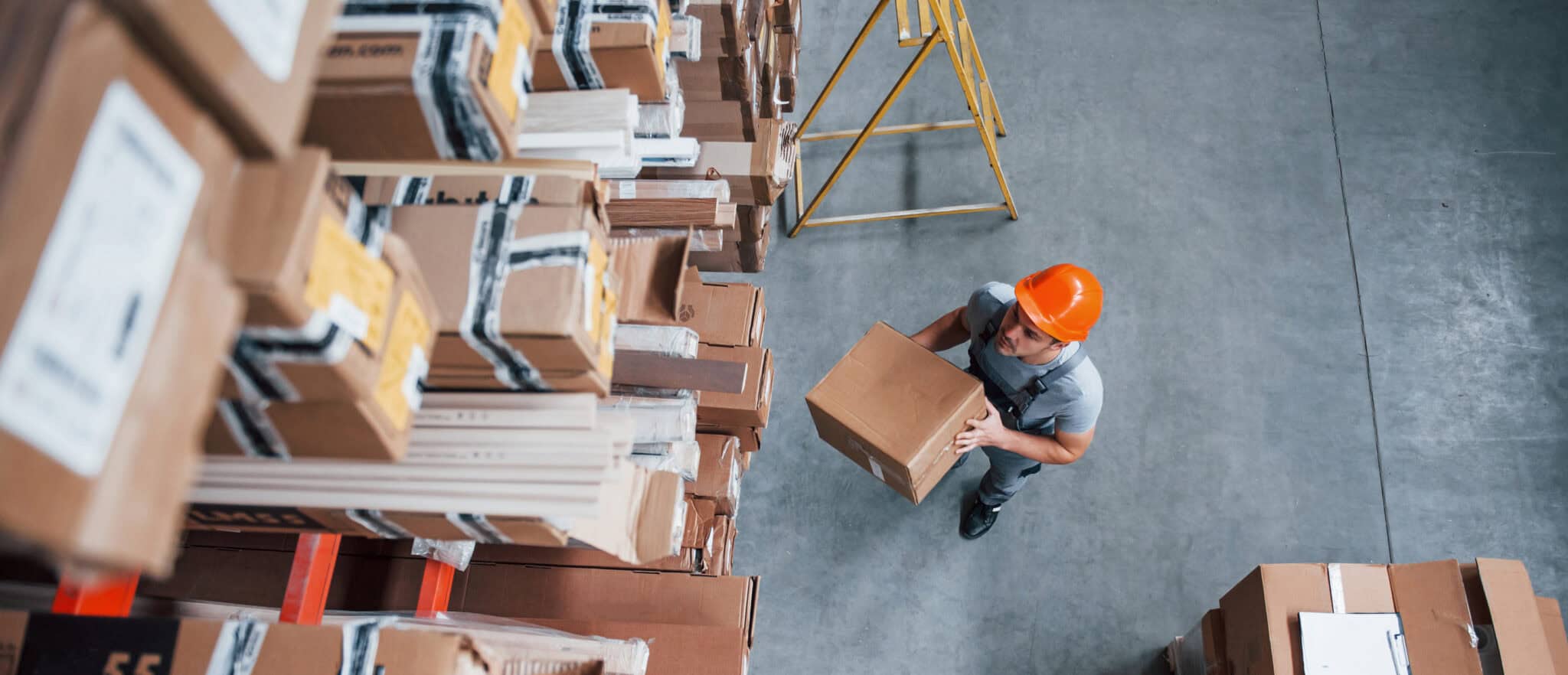
In collaboration with the client’s team, we implemented a new planning system, optimized routing, and negotiated more favorable contracts with carriers. We simultaneously introduced regular reporting of key indicators (on-time delivery, average transportation costs, vehicle utilization). These steps enabled rapid and measurable change.

Results

The result was a 30% reduction in delivery times, a 22% decrease in transportation costs, and an increase in on-time delivery to 98%. The company thus achieved not only financial savings but also higher customer satisfaction. The interim manager then transferred the stabilized processes to the internal team and ensured a smooth transition to a long-term logistics management model.

Whether you need short-term coverage or to handle a crisis situation, we are here for you. Big Interim delivers experienced professionals on time.


Do you need help with your team? We are here for you. Whether it's short-term coverage or solving complex situations, Big Interim is your partner for interim management.

Successful projects

Over the past few weeks I've been watching a series of acquisitions in Czech business. Smaller, honestly built companies are merging with bigger players, founders stay on board as co-owners, and both sides talk about shared values and joint growth. On paper it looks like a textbook example of healthy consolidation, but post-acquisition integration is what decides whether the investment pays off. In practice, that's exactly the moment that decides whether an acquisition will be a case study of successful growth five years from now, or a quiet example of wasted potential.
Over the past several years I've seen one pattern in practice that keeps repeating more and more often: the owner of a company he built in the early nineties suddenly realizes he has no one to hand it to. This isn't an isolated individual story — it's a demographic wave that's only just starting to roll through the Czech economy, and so far almost no one is really talking about it. And the longer we stay quiet about it, the more it will eventually cost us.
Over the past few weeks I've been watching one pattern repeat itself in business. Traditional manufacturing companies that ran on the same model for decades are suddenly facing a sharp drop in demand, expensive inputs, and tougher competition. Some weather it thanks to quality, a strong brand, and loyal customers. Others end up in insolvency, or after a hundred years in business decide to close voluntarily. When I look at how this happens, I keep seeing the same mistake — help arrives too late.